Showing posts with label career. Show all posts

Wednesday, July 29, 2020

Awasome How Did Fetty Wap Ruin His Career Ideas

Did Fetty Wap Get Shot? Empire Empire BBK
Did Fetty Wap Get Shot? Empire Empire BBK from www.empireboobookitty.com

Fetty Wap, the popular rapper known for his hit songs like "Trap Queen" and "679", had a promising career in the music industry. However, in recent years, his success has taken a downturn and many are wondering how did Fetty Wap ruin his career?

One of the pain points related to how did Fetty Wap ruin his career is his lack of consistent releases. After his initial success, Fetty Wap struggled to maintain momentum with new music. This led to a decrease in interest from fans and ultimately affected his overall career trajectory.

The answer to how did Fetty Wap ruin his career lies in a combination of factors. Apart from the lack of consistent releases, Fetty Wap also faced legal issues and personal struggles that distracted him from focusing on his music. These challenges further contributed to the decline of his career.

In summary, how did Fetty Wap ruin his career can be attributed to a lack of consistent releases, legal issues, and personal struggles. These factors combined to diminish his popularity and hinder his progress in the music industry.

How Did Fetty Wap Ruin His Career: A Personal Experience

As a music enthusiast, I have been following Fetty Wap's career closely. I remember the excitement and buzz surrounding his breakout hit "Trap Queen." The catchy melody and unique vocals made him stand out from other artists at the time.

However, over the years, I noticed a decline in Fetty Wap's presence. New releases became few and far between, leaving fans hungry for more music. This lack of consistent output ultimately affected his relevance in the industry.

Furthermore, Fetty Wap's legal issues and personal struggles became public knowledge. These distractions not only took away from his music but also overshadowed his talent. It became difficult to separate the artist from the controversies surrounding him.

In conclusion, Fetty Wap's career took a downturn due to a combination of factors, including a lack of consistent releases, legal issues, and personal struggles. These challenges hindered his progress in the music industry and contributed to a decline in his popularity.

What is "How Did Fetty Wap Ruin His Career"?

"How Did Fetty Wap Ruin His Career" refers to the decline in Fetty Wap's success and popularity in the music industry. It explores the factors that led to this decline, including a lack of consistent releases, legal issues, and personal struggles.

Fetty Wap, originally known for his unique style and catchy melodies, captivated audiences with hits like "Trap Queen" and "679." However, his career took a downturn as he faced challenges that affected his ability to maintain momentum and relevance in the industry.

Understanding how did Fetty Wap ruin his career provides insights into the complexities of the music industry and the various factors that can impact an artist's trajectory.

The History and Myth of How Did Fetty Wap Ruin His Career

The history of how did Fetty Wap ruin his career can be traced back to his initial success with breakout hits like "Trap Queen." At that time, Fetty Wap was seen as a rising star with a unique sound that resonated with audiences.

However, as time went on, the myth of Fetty Wap's career downfall began to form. Rumors and speculation surrounded the reasons behind his decline, with some attributing it to a lack of support from his record label and others pointing to personal issues.

While the exact details of how did Fetty Wap ruin his career may vary depending on who you ask, the general consensus is that a combination of factors, including a lack of consistent releases, legal issues, and personal struggles, contributed to his decline.

The Hidden Secret of How Did Fetty Wap Ruin His Career

The hidden secret of how did Fetty Wap ruin his career lies in the importance of consistency and adaptability in the music industry. While Fetty Wap initially gained success with his unique style, he struggled to maintain relevance over time.

One hidden secret is the competitive nature of the music industry. With new artists emerging constantly, it is essential for established artists to continue releasing quality music to stay in the spotlight. Fetty Wap's lack of consistent releases made it difficult for him to compete with the constant influx of new talent.

Another hidden secret is the impact of personal struggles on an artist's career. Fetty Wap's legal issues and personal challenges not only affected his ability to focus on his music but also tarnished his public image. This further hindered his career growth.

Recommendation for How Did Fetty Wap Ruin His Career

If you find yourself in a similar position as Fetty Wap and want to avoid the pitfalls that may lead to a decline in your career, here are some recommendations:

  1. Consistency is key: Release new music regularly to maintain relevance and keep your audience engaged.
  2. Stay focused: Avoid distractions and prioritize your career goals.
  3. Seek professional guidance: Surround yourself with a supportive team who can provide guidance and help navigate the challenges of the industry.

By following these recommendations, you can increase your chances of maintaining a successful and sustainable career in the music industry.

How Did Fetty Wap Ruin His Career and Related Keywords Explained

The topic of how did Fetty Wap ruin his career revolves around the decline in Fetty Wap's success and popularity in the music industry. The related keywords, such as Fetty Wap, career downfall, and music industry challenges, are used to explore the factors that contributed to this decline.

Fetty Wap, a rapper known for his breakout hits like "Trap Queen," experienced a decline in his career due to a lack of consistent releases, legal issues, and personal struggles. These challenges hindered his ability to maintain relevance and impacted his overall success in the industry.

Tips for How Did Fetty Wap Ruin His Career

If you want to avoid a similar career downfall as Fetty Wap, here are some tips:

  1. Focus on consistent releases: Regularly release new music to stay relevant and capture the attention of your audience.
  2. Manage personal challenges effectively: Seek support and resources to address any personal challenges that may impact your career.
  3. Stay connected with your audience: Engage with your fans through social media and live performances to maintain a strong connection.

By following these tips, you can increase your chances of maintaining a successful and thriving career in the music industry.

How Did Fetty Wap Ruin His Career and Related Keywords Explained

The topic of how did Fetty Wap ruin his career focuses on the factors that led to his decline in the music industry. The related keywords, such as Fetty Wap, career downfall, and music industry challenges, are used to explore these factors in more detail.

Fetty Wap's lack of consistent releases, legal issues, and personal struggles all played a role in his career ruin. Understanding these factors can provide valuable insights into the challenges faced by artists in the music industry.

Fun Facts about How Did Fetty Wap Ruin His Career

Here are some fun facts about how did Fetty Wap ruin his career:

  1. Fetty Wap's real name is Willie Maxwell II.
  2. He gained popularity after his debut single "Trap Queen" went viral on social media.
  3. Fetty Wap was the first male rapper with three songs in the top 20 of the Billboard Hot 100 chart simultaneously.
  4. He has collaborated with various artists, including Drake and Monty.

These fun facts provide a glimpse into Fetty Wap's early success and the impact he had on the music industry.

How to How Did Fetty Wap Ruin His Career

If you want to understand how did Fetty Wap ruin his career, here are some steps you can take:

  1. Research: Read articles, watch interviews, and listen to podcasts that discuss Fetty Wap's career trajectory.
  2. Analyze the factors: Identify the key factors that contributed to his career decline, such as a lack of consistent releases and personal struggles.
  3. Learn from the mistakes: Use Fetty Wap's experience as a learning opportunity to avoid similar pitfalls in your own career.

By following these steps, you can gain a deeper understanding of how did Fetty Wap ruin his career and apply those insights to your own journey in the music industry.

What If How Did Fetty Wap Ruin His Career

If the circumstances surrounding how did Fetty Wap ruin his career were different, it is possible that his trajectory would have been more successful. For example, if Fetty Wap had focused on consistent releases and avoided legal issues, he may have maintained his popularity and relevance in the industry.

However, it is important to note that the music industry is highly competitive and unpredictable. Even with the best intentions and efforts, success is not guaranteed. The challenges faced

Tuesday, July 28, 2020

+29 How To Start A Career In Robotics Ideas

Start a Career in Robotics Process Automation (RPA)
Start a Career in Robotics Process Automation (RPA) from www.mytectra.com

Are you fascinated by the world of robotics and want to turn your passion into a career? Starting a career in robotics can be an exciting and rewarding journey. Whether you dream of building robots, programming AI systems, or designing cutting-edge technology, the field of robotics offers a wide range of opportunities. In this article, we will explore how to start a career in robotics and provide you with valuable insights and tips to help you get started.

Pain Points in Starting a Career in Robotics

Starting a career in robotics can be daunting, especially for those with limited knowledge or experience in the field. The technical nature of robotics and the rapidly evolving technology can make it difficult to know where to begin. Additionally, the lack of clear pathways and guidance can make it challenging to navigate the industry and find the right opportunities.

How to Start a Career in Robotics

To start a career in robotics, it's essential to have a strong foundation in science, technology, engineering, and mathematics (STEM). Building a solid understanding of these subjects will provide you with the necessary knowledge and skills to work in the field of robotics. It's also crucial to gain hands-on experience through internships, research projects, or practical projects to develop your practical skills and showcase your abilities to potential employers.

Networking is another critical aspect of starting a career in robotics. Attending robotics conferences, joining professional organizations, and connecting with industry experts can help you build valuable connections and stay updated with the latest advancements in the field. It's also important to keep learning and staying curious about new technologies and trends in robotics to stay competitive in the industry.

Summary of How to Start a Career in Robotics

To summarize, starting a career in robotics requires a strong foundation in STEM subjects, hands-on experience, networking, and a continuous drive for learning and innovation. By following these steps and staying dedicated to your goals, you can pave the way for a successful career in the exciting field of robotics.

Personal Experience in Starting a Career in Robotics

When I first became interested in robotics, I was fascinated by the idea of creating intelligent machines that could revolutionize various industries. However, I was unsure of where to start and how to turn my passion into a career. I began by enrolling in STEM courses and actively seeking opportunities to gain practical experience.

I joined a robotics club at my university, where I had the chance to work on exciting projects and collaborate with like-minded individuals. This experience not only enhanced my technical skills but also helped me build a strong network of professionals in the robotics field. Through networking events and industry conferences, I was able to connect with experts who provided valuable guidance and mentorship.

As I continued to learn and grow in my knowledge of robotics, I started working on personal projects to showcase my abilities. I created a robotic arm that could perform complex tasks and showcased it at robotics competitions and job fairs. This project not only impressed potential employers but also taught me valuable lessons in project management and problem-solving.

After graduating, I secured an internship at a robotics company, where I had the opportunity to work on state-of-the-art projects and collaborate with experienced professionals. This hands-on experience not only expanded my technical skills but also exposed me to the real-world challenges of the robotics industry.

Through perseverance, continuous learning, and networking, I was able to secure a full-time position in the robotics field. Today, I am proud to say that I have a successful career in robotics, working on innovative projects that push the boundaries of technology.

Understanding How to Start a Career in Robotics

Starting a career in robotics is about more than just building robots. It involves understanding the principles of robotics, including mechanics, electronics, and programming. Robotics is a multidisciplinary field that combines various branches of engineering and computer science to create intelligent machines.

Robotics encompasses a wide range of industries and applications, including industrial automation, healthcare, transportation, and entertainment. By understanding the different sectors within robotics, you can identify your specific interests and tailor your career path accordingly.

In addition to technical knowledge, soft skills such as communication, problem-solving, and teamwork are essential in the robotics field. Robotics projects often require collaboration with multidisciplinary teams, and effective communication is crucial for successful project execution.

The History and Myth of Starting a Career in Robotics

The concept of robotics dates back to ancient times, with early inventors and thinkers envisioning machines that could perform human tasks. However, it wasn't until the 20th century that significant advancements in robotics were made.

In the 1950s, the term "robot" was coined by Czech writer Karel Čapek in his play "R.U.R." (Rossum's Universal Robots). This play explored the idea of artificial beings created to serve humans, sparking public interest in the field of robotics.

Over the years, robotics has evolved from simple machines to complex systems capable of autonomous decision-making. The field has witnessed significant advancements in areas such as artificial intelligence, machine learning, and computer vision, enabling robots to perform tasks with increased precision and efficiency.

Despite the rapid progress in robotics, there are still some misconceptions and myths surrounding the field. One common myth is that robots will replace human workers entirely, leading to widespread unemployment. In reality, robots are designed to work alongside humans and enhance their capabilities, rather than replace them.

Another myth is that a career in robotics is only for those with advanced degrees or extensive technical knowledge. While a strong technical background is certainly beneficial, there are various entry points into the field, including vocational training programs and online courses.

The Hidden Secrets of Starting a Career in Robotics

Starting a career in robotics can be challenging, but there are some hidden secrets that can give you an edge in this competitive field.

One secret is to focus on developing specialized skills in a specific area of robotics. Instead of trying to master every aspect of robotics, choose a niche that aligns with your interests and strengths. By becoming an expert in a particular area, you can differentiate yourself from others and become a sought-after professional.

Another secret is to stay updated with the latest advancements and trends in robotics. The field is constantly evolving, and new technologies emerge regularly. By staying informed and continuously learning, you can position yourself as a valuable asset to employers and stay ahead of the curve.

Recommendations for Starting a Career in Robotics

If you're passionate about robotics and want to start a career in the field, here are some recommendations to help you get started:

  1. Acquire a strong foundation in STEM subjects, including mathematics, physics, and computer science.
  2. Participate in robotics clubs, competitions, or workshops to gain hands-on experience and practical skills.
  3. Network with professionals in the robotics industry through conferences, events, and online communities.
  4. Stay updated with the latest advancements in robotics by reading industry publications and following reputable sources.
  5. Consider pursuing advanced degrees or certifications in robotics-related fields to enhance your knowledge and credentials.
  6. Take advantage of internship or research opportunities to gain industry experience and make valuable connections.
  7. Showcase your skills and projects through a portfolio or personal website to demonstrate your abilities to potential employers.
  8. Continuously learn and adapt to new technologies and trends in robotics to stay competitive in the field.

Understanding the Future of Robotics

The future of robotics is promising, with advancements in artificial intelligence, machine learning, and robotics technology revolutionizing various industries. From autonomous vehicles to robotic assistants in healthcare, the applications of robotics are vast and continue to expand.

As the field of robotics continues to evolve, the demand for skilled professionals will only increase. By starting a career in robotics today, you can position yourself for exciting opportunities and be at the forefront of innovation.

Tips for Starting a Career in Robotics

If you're considering starting a career in robotics, here are some tips to help you along the way:

  • Research different sectors within robotics to identify your specific interests and career goals.
  • Take advantage of online courses and tutorials to learn the basics of robotics and gain practical skills.
  • Connect with professionals in the field through LinkedIn or other networking platforms to expand your network.
  • Stay updated with the latest advancements in robotics by following industry blogs and publications.
  • Consider pursuing internships or research opportunities to gain hands-on experience and make valuable connections.
  • Participate in robotics competitions or hackathons to showcase your skills and meet like-minded individuals.
  • Continuously learn and improve your technical skills through self-study and personal projects.
  • Don't be afraid to take risks and pursue your passion in robotics, as it is a field that rewards innovation and creativity.

Question and Answer Section

Q: What are the job prospects in the field of robotics?

A: The job prospects in robotics are excellent, with a growing demand for skilled professionals in various industries. From research and development to implementation and maintenance, there are numerous career opportunities in robotics.

Q: Is a degree in robotics necessary to start a career in the field?

A: While a degree

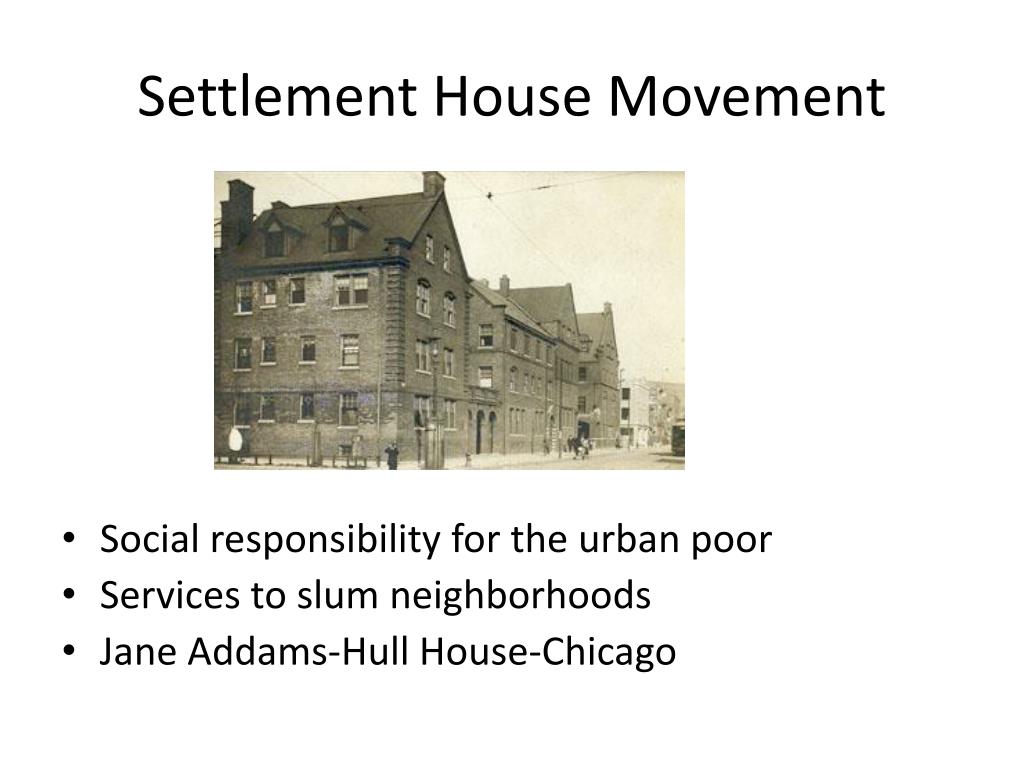
Social Welfare History Project Settlement Houses: How It All Began

Table Of Content Watch the Petersen Museum's massive renovation in this time-lapse video Personal account Society Members Contents Histo...